


Mise à jour le 22 September 2026
Designing cities as sponges — capable of absorbing rainwater and even storing part of it for reuse — is the core idea behind China’s “Sponge City Program,” developed over the past decade. This forward-looking strategy, at the forefront of urban water management, was initially tested as an experiment in about thirty pilot cities and bore the hallmarks of a propaganda initiative.
Today, with accelerating urbanization, the growing impacts of climate change, and mounting environmental crises, the program has become a genuine national priority. The catastrophic floods that struck Beijing and Hebei in August 2023 highlighted both the urgency of integrated water management and lingering doubts about the program’s actual effectiveness. Ten years after the launch of the first urban projects, what does the built reality of China’s “sponge cities” reveal? What lessons and insights emerge from this large-scale program initiated by the Chinese government and implemented across diverse local contexts? A preliminary assess-ment is now beginning to take shape — not so much questioning the program’s rationale, but rather examining its varying degrees of impact, performance, shortco-mings, and room for improvement, as illustrated through a range of implementation examples.
The concept of the sponge city was developed and popularized in China in the early 2000s by landscape architect Yu Kongjian1, who drew inspiration from traditional planning practices where water is considered an integrated and structuring element of urban space. The sponge city policy program was officially launched by President Xi Jinping himself, during the “Urbanization of China” conference held in December 2013. To justify the relevance of this ambitious national program, the Chinese Communist Party referred to several Western approaches — such as the Sustainable Water Management Plan2 and Sustainable Drainage Systems (SuDS)3 developed in the United Kingdom — as well as equivalent frameworks from the United States 4, as well as equivalent frameworks from the United States, including Low Impact Development (LID)4. The Party also set measurable targets: by 2030, 80% of urban areas should be equipped with rainwater absorption systems, and at least 70% of the collected water should be reused for irrigation or street cleaning.
Yet, like other large-scale urban initiatives in China — such as Green Cities, Smart Cities and Low Carbon Cities — the Sponge City concept first emerged as a political doctrine. Upon its launch, the government orchestrated a large-scale media campaign to display idealized visualizations of its ambitions. Simultaneously, local government officials were mobilized through awareness and training efforts, including themed workshops and site visits.
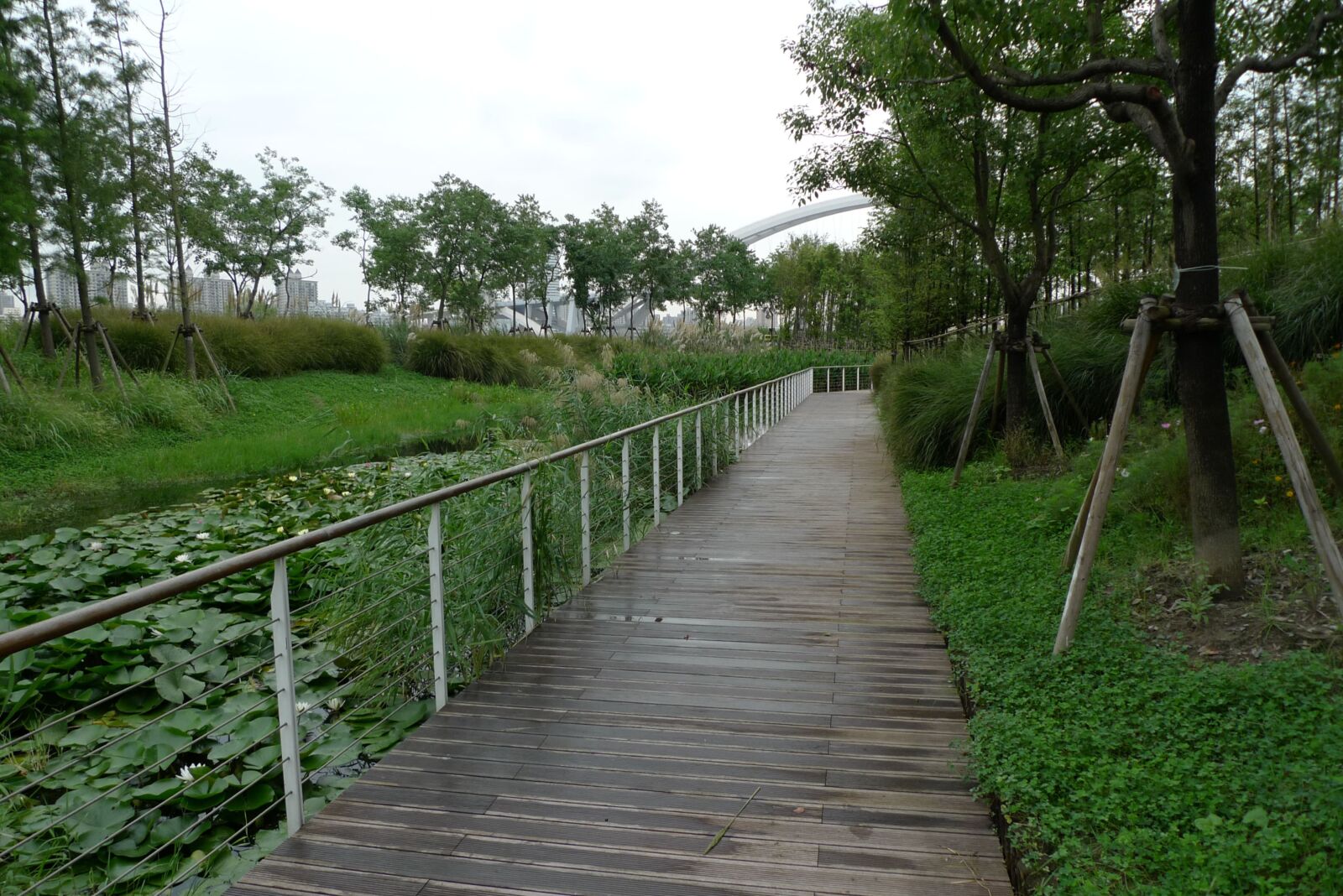
Several emblematic projects designed by Yu Kongjian, regarded as the movement’s leading theorist, became recurring destinations for these study tours. Notable examples include Dong’an Wetland Park (Sanya, Hainan Island, 2015), and Shanghai Houtan Park, a rehabilitated industrial area turned into a water-purification landscape within a vast green corridor created for the 2010 Shanghai World Expo.
Within this framework, the sponge city is primarily presented as a doctrine aiming to (re)introduce a holistic view of urban water — restoring its ecolo-gical, cultural, and strategic value. Broadly speaking, the program seeks the nationwide replicability of a quantitative and qualitative water-management system, thereby supporting a strategic objective of the 13th Five-Year Plan: improving environmental quality and addressing severe pollution issues across China.
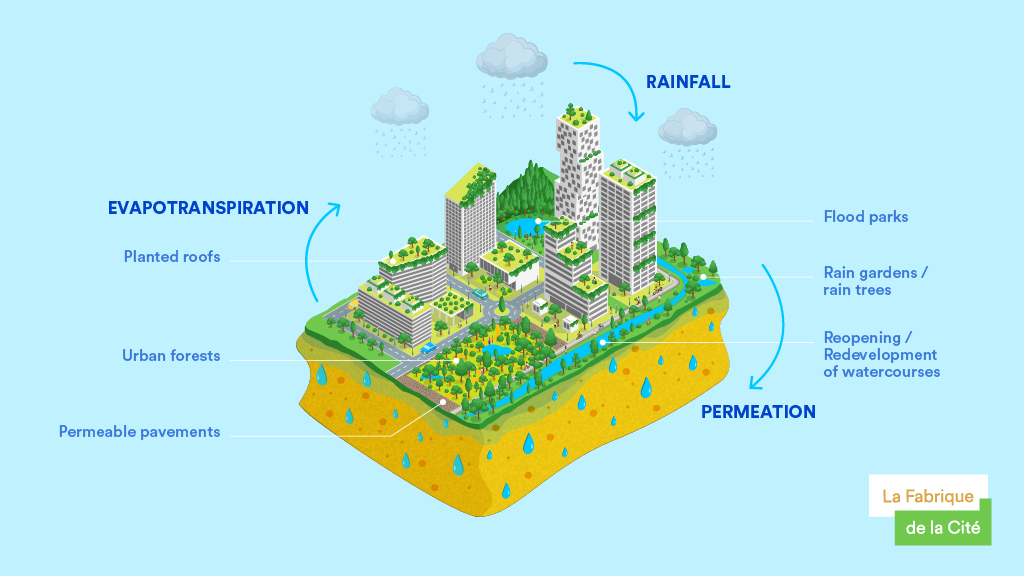
More concretely, the program stipulates that cities must implement systems for infiltration, retention, storage, purification, reuse and drainage, relying on nature-based (“green”) solutions. To achieve this, two complementary modes of intervention are promoted:
To translate national ambitions into concrete local actions, the central govern-ment designed several implementation tools. First, it issued a general guide including example of organizational charts for local administrations, broad gui-delines for facility design and maintenance, and a catalog of reference products for project implementation.
The government also applied a pilot-city strategy, a familiar approach in Chinese policy experimentation, selecting municipalities to test and demonstrate the program. During the first selection phase in 20155, sixteen pilot cities were chosen, followed by fourteen additional ones in 20166.
The selected cities represent different urban typologies defined by geography and administrative hierarchy — key factors influencing their likelihood of success. For instance:
Once selected, each pilot city is responsible for translating the national framework into a local action plan and for establishing dedicated governance through a Sponge City Office led by an appointed director. Each office must produce annual reports containing performance indicators and financial statements.
Although every pilot city receives an initial allocation — between €50 million and €76 million annually for three years (representing about 15–20% of total project costs) — they are also required to secure complementary funding through public– private partnerships (PPPs). In addition, they must create concrete implementation mechanisms, such as:
From a technical perspective, the absence of national standards gives each city considerable autonomy to establish its own planning codes and operational procedures, often directly inspired or copied from Western models. This explains why many sponge cities appear visually similar, yet their actual efficiency and replicability remain uncertain.
This fragmented and experimental process helps explain why the evaluation of sponge cities’ results remains difficult. Although local officials report highly positive results to central ministries7 and Chinese media portray sponge cities in glowing terms, the lack of independent monitoring and objective assessment undermines the program’s credibility.
Ultimately, the true effectiveness of the Sponge City Program can only be as-sessed on the ground, by analyzing projects on a case-by-case basis — especially during extreme climatic events, when performance gaps become most evident.
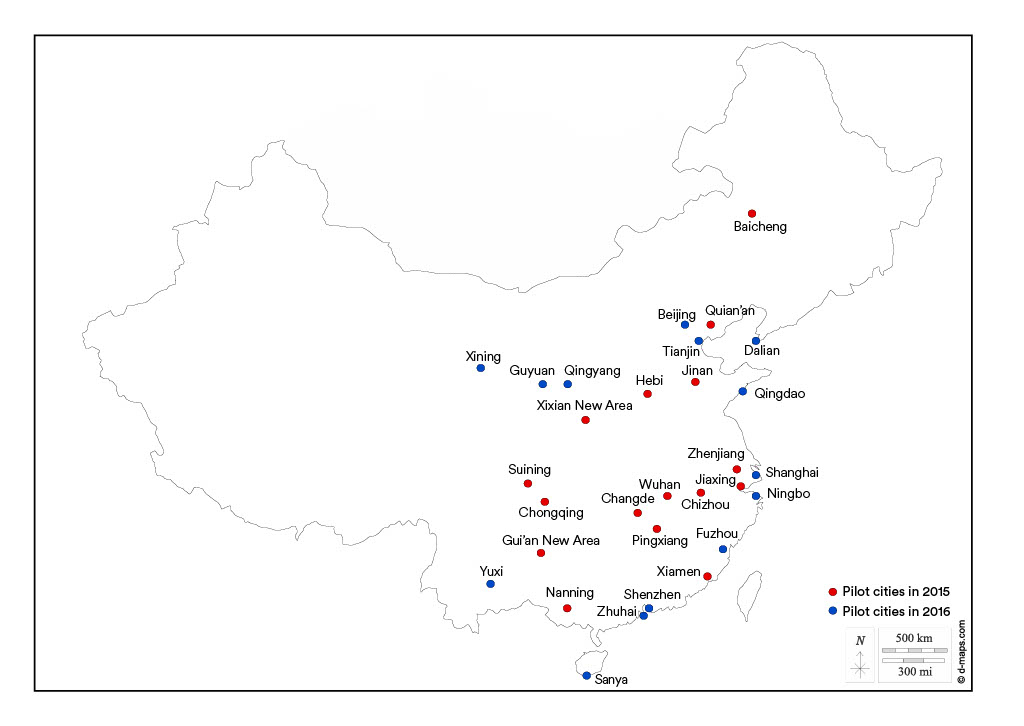
Although Xiamen and Wuhan differ greatly in their geographical and topogra-phical settings, as well as in their location within China, they share contextual and strategic similarities that help define a typology of favorable conditions for successful Sponge City implementation.
Within China’s administrative hierarchy, both Xiamen and Wuhan are prefecture-level cities, enjoying a privileged relationship with the central government, comparable to that of provincial authorities. Their administrative status grants them significant financial resources and a degree of autonomy to design and manage programs locally8.
Furthermore, in both cases, the Sponge City Program complemented a broader ecological transition strategy that had already been initiated at the municipal level. Since the early 2010s, Xiamen and Wuhan have both been experimenting with Eco-City programs under the supervision of the central government, and in collaboration with international public and private partners9.
Thus, in both municipalities, the water management agenda aligns with a larger urban strategy aimed at balancing economic stability, health and safety, and political recognition — both nationally and internationally.
Additionally, both cities adopted a diffuse, multi-scalar approach to imple-mentation, multiplying pilot projects across their territories to create a network of interconnected initiatives that proved more resilient and sustainable than isolated interventions.
Finally, the location of these demonstrative projects was carefully selected for its strategic and symbolic visibility — on either urgent, flood-prone sites or high-profile urban areas — where residents were also invited to participate in the design and maintenance process. This participatory approach enhanced public awareness and local acceptance, amplifying the visibility and legitimacy of the program.
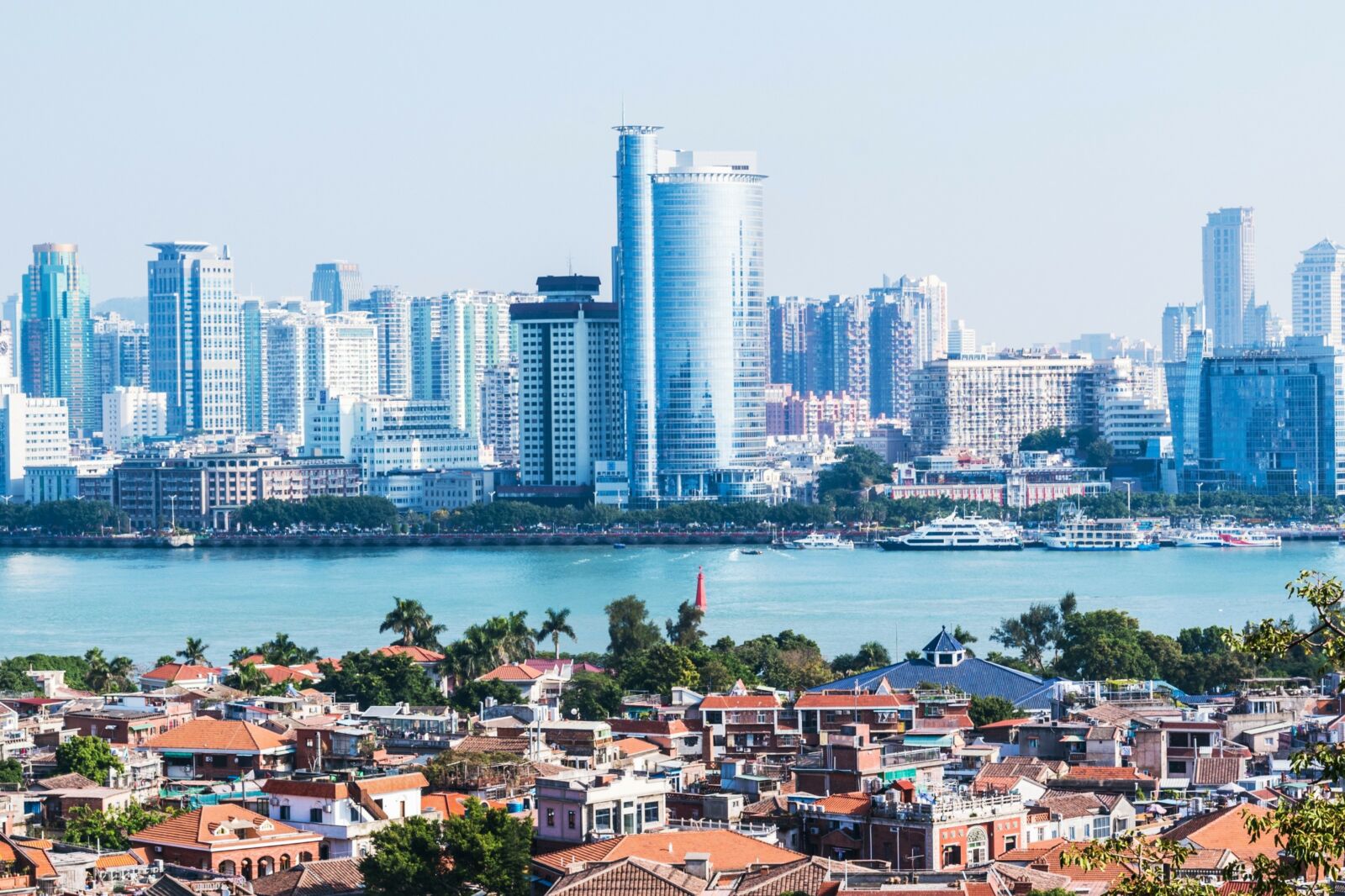
As a sponge city, Xiamen stands as one of China’s pioneer examples, largely because water integration has long been part of its urban and economic identity. Located on the western coast of Fujian Province, Xiamen is composed of archipelagos whose historic districts were originally built on lacustrine and marshy zones. Its economy — based historically on fishing, aquaculture and agriculture — has always depended on maintaining good water quality. However, the massive urbanization and industrialization of the 1990s triggered unprecedented levels of pollution in the sea, groundwater, and rivers, threatening both local livelihoods and public health. In response, and independently of any national policy, a spon-taneous popular movement, amplified by national media, forced municipal authorities to adopt a comprehensive and effective water management strategy throughout the entire hydrological cycle. This was paired with a broader ecological transition.
Academic expertise played a decisive role in this transformation. Researchers from Sun Yat-sen University and several international working groups10 (including those from PEMSEA and CHORA, led by Raoul Bunschoten) were involved in developing context-specific interventions tailored to Xiamen’s local challenges. Project funding benefited from a variety of sources, including significant private support from the Chinese diaspora originally from Fujian and settled in Singapore.
Among Xiamen’s many Sponge City projects, Yundang Bay was the first to be completed and remains the most symbolic and influential. Conceived as both a new residential district and an environmental restoration effort, the project transformed a natural bay into a landscaped park surrounding a lake that doubles as a stormwater retention tank. The project combined high-density residential development — with thousands of new housing units — and the creation of extensive green spaces, swales and slow-mobility pathways along the shores. Around the bay, certain areas were artificially landscaped to enhance public access, while others — notably mangrove ecosystems — were protected as ecological sanctuaries. During heavy rainfall, Yundang Bay can retain large volumes of stormwater, filtered through natural purification systems before being discharged into the sea.
Beyond its technical efficiency, the project resonates with traditional Chinese landscape design principles, centered on the harmony between built space, vegetation, and water. Its aesthetic and cultural familiarity helped strengthen public acceptance and appreciation.Although completed between 2000 and 2015, Yundang Bay continues to be regarded as a success story by residents. The initiative inspired numerous subsequent pilot projects across Xiamen, focused on lake depollution, riverbank restoration, the construction of water-treatment and retention facilities, and the creation of wetland parks modeled after those in Shanghai and Sanya.
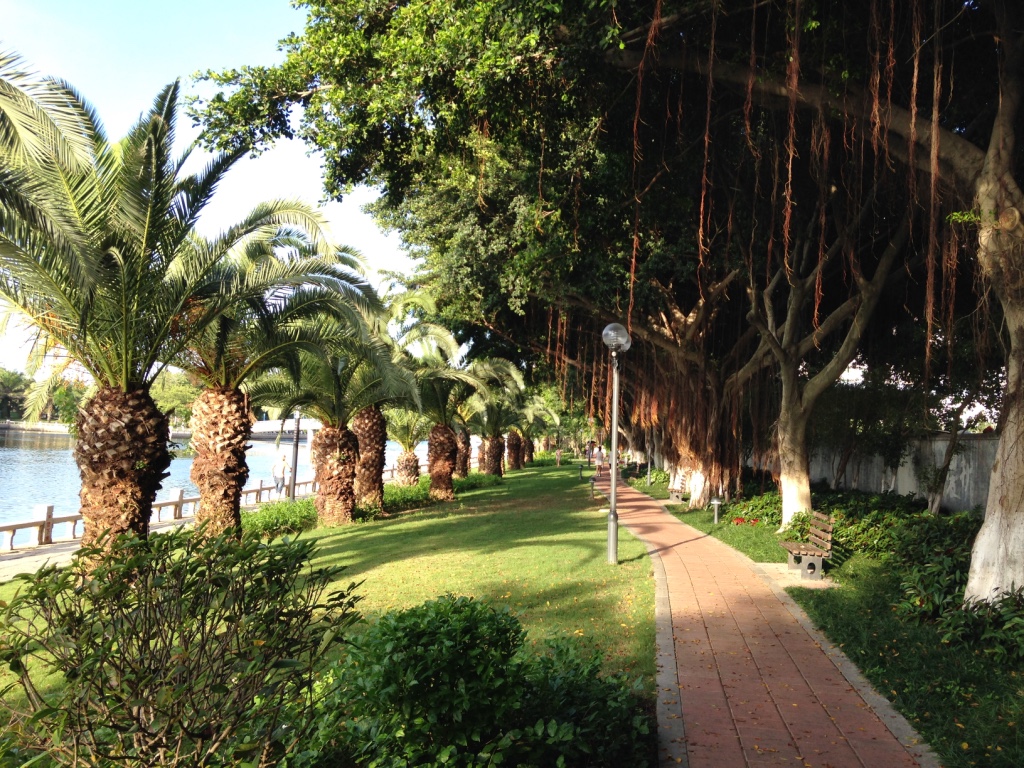
Ultimately, the high visibility and positive public reception of Xiamen’s Sponge City projects turned the city into a national showcase, influencing both other municipalities and public opinion across China.
From a technical and environmental standpoint, Xiamen demonstrates that integrated and efficient water management can generate a cascade of positive effects:
From a socio-economic perspective, the program contributed to the revival of traditional economic activities, increased foreign investment and tourism, and led to a significant rise in property values.
With more than 11 million inhabitants, Wuhan is a vast metropolis historically shaped by water. It developed on land that had once been covered with more than a hundred lakes, located at the confluence of the Yangtze and Han Rivers. Yet, the successive waves of mass urbanization in the 2000s largely ignored this natural hydrographic context: many new districts were built on polders or drained wetland areas, where the risk of flooding is now significantly higher. In addition, runoff pollution has increasingly contaminated groundwater reserves, adding to the city’s environmental vulnerability.
In this context, the Sponge City Program in Wuhan aims to reintegrate water into the urban environment, restoring its presence and quality while managing its risks. The city has set ambitious goals: by 2030, 85% of annual rainfall should be absorbed and stored within the urban area, across 80% of the municipal territory. Moreover, the plan calls for natural purification processes through phytoremediation — the use of adapted plant species within public spaces to filter and clean water naturally.
To achieve these objectives, Wuhan has mobilized an impressive €1.4 billion investment package combining public and private funds since 2015. This funding supports the construction of 288 pilot projects, primarily focused on improving network resilience, flood prevention, and the city’s overall drainage capacity.
The Sponge City initiative in Wuhan put forward nature-based solutions, as well as the modernization of underground infrastructure in the historic city center and in future new neighborhoods. Therefore, urban planning in Wuhan relies on a zoning strategy which is focused on three priorities:
– reserving land for green spaces and lakes to limit soil sealing,
– maximizing natural infiltration through soil treatment,
– expanding rainwater collection areas, both on the ground and on roofs.
Furthermore, the water management system is underpinned by a monitoring platform created to anticipate, assess and manage risks related to water quality and quantity in the city.
In 2020, very heavy rainfall provided an opportunity to test the effectiveness of these solutions: after 42 consecutive days of rain causing the Yangtze River
to rise four meters, Wuhan suffered only minimal damage, with a mere thirty waterlogged areas waterlogged areas12, hence showing the city’s genuine resilience in the face of severe weather conditions.
The renovation of Gangcheng Elementary School, located in a residential neighborhood of Wuhan, offers another on-site example of the effectiveness of the solutions implemented. Completed in 2016, this pilot project is remarkably ambitious given the small size of the intervention area — only two hectares — situated in one of the neighborhood’s low-lying zones in the heart of the historic city center. The site was highly impervious and served by outdated, poor-quality combined sewer systems.
The Sponge City project therefore faced two main challenges: greening the schoolyard through the creation of rain gardens and upgrading and separating the sewer networks to prevent greywater backups into the courtyard. In addition, a 400 m³ stormwater storage tank was installed on the school grounds and a dry streambed was created to help absorb runoff and reduce pressure on the pipe network.
Before the redesign, the schoolyard could flood with up to 1.5 meters of water during the rainy season. Today, water accumulation rarely exceeds 15 centime-ters and drains within a maximum of 30 minutes. A pedagogical display board was also installed on the school grounds to educate students about the water cycle—its challenges, benefits, and risks in urban environments.
Across Wuhan’s vast territory, the Sponge City Program has proven particularly effective during rainy periods, while also generating several important long-term benefits.
In fact, the program became a catalyst for cross-functional reorganization within municipal departments, encouraging collaboration across numerous pilot projects, reducing siloed working practices and responsibility-shifting, and ultimately improving overall administrative performance.
The initiative also produced valuable technical expertise, compiled into a dedicated Sponge City design guide created specifically to standardize and adapt the approach to Wuhan’s local conditions.
On political and social levels, much like in Europe, the program helped spark greater civic engagement, fostering a sense of ownership and encouraging residents to take an active role in the project. However, in both Xiamen and Wuhan, collaborative planning initiatives remain experimental and are not reflected in the official outcomes of the Sponge City Program, as territorial governance remains centralized and exclusively administered by members of the Chinese Communist Party.
Finally, the program has yielded significant economic benefits. According to a cost analysis conducted by the University of Leeds13, the nature-based solutions implemented under the Sponge City Program have saved an estimated 509 million euros — funds that would otherwise have been spent on rehabilitating conventional water management infrastructure.
The results of the program have not been uniformly satisfactory across all pilot projects. The case of Ningbo, a port city in Zhejiang Province, and more specifically the Cicheng district along the Guanshan River, illustrates the difficulties associated with the typical urban layout of major Chinese cities. These cities often combine very old historic centers — in Cicheng’s case, an 8th-century old town designated as a UNESCO World Heritage Site — with an eclectic residential fabric of uneven quality, built between the 1980s and the 2010s.
In this challenging context, the Sponge City Program aims to increase the share of water surfaces in the Cicheng district from 4% to 10%, and to collect and treat up to 85% of rainwater before releasing it into natural environments. However, implementing the program in such a complex urban setting presents significant difficulties.
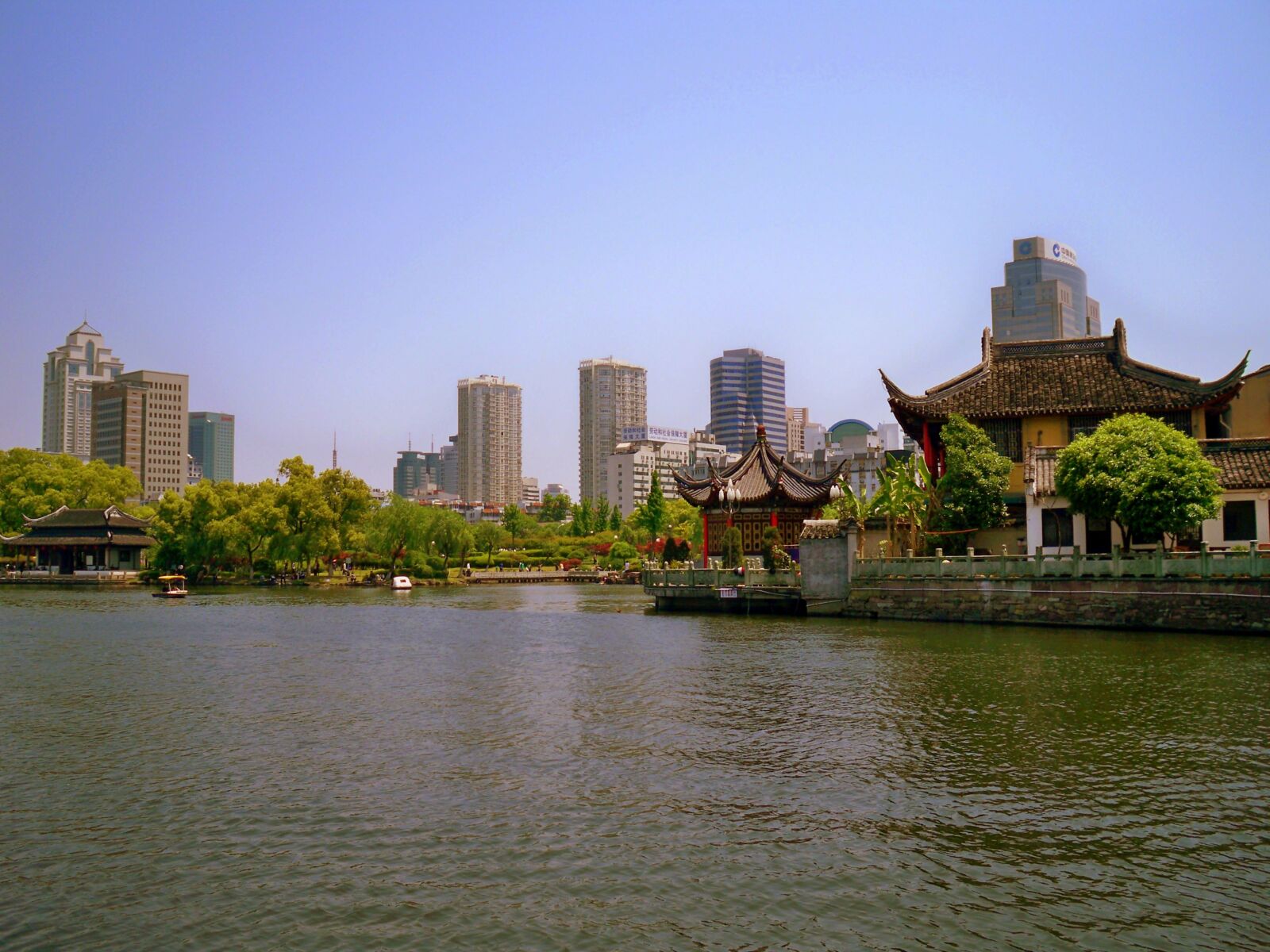
The location of the old water networks, combined with the district’s high popu-lation density makes major renovation or redevelopment work particularly challen-ging. In Cicheng, the entire system requires modernization, while public spaces and traffic lanes must be de-paved and redesigned. Buildings also need structural reinforcement to allow for rooftop rainwater harvesting. As a result, the planned works are extensive and will significantly affect daily life in the neighborhood as well as the local government’s finances.
Because upgrading historic urban fabric is far more complex, risky, and costly than developing new neighborhoods on greenfield sites, the city has struggled to attract private investors. Although Ningbo receives the equivalent of 25 million euros in public funding14 each year to implement the Sponge City Program across its territory, multiple pilot projects are competing for this limited budget. Consequently, each one receives only a small share of public funds, making private investment essential for project execution.
Further challenges have emerged during construction, including breaches in quality control, raising concerns about the long-term sustainability and effectiveness of the infrastructure. This is particularly critical given that ecological facilities require proper maintenance and effective management to prevent a decline in performance. Additional contextual issues include friable soils that reduce infiltration capacity, and ancillary facilities that have caused damage to exis-ting buildings or to the environment during or after construction, ultimately increasing vulnerability during rainy periods.
Finally, the Sponge City Program has also generated major indirect effects, notably a substantial rise in real-estate prices. In a medium-sized Chinese city, such increases have a significant impact on housing affordability for lower-income households.
As a reference point, one study found that the average price of residential real estate in central Wuhan’s pilot areas increased by 19% between 2015 and 201615.
In Cicheng, however, the medium- and long-term benefits of the Sponge City Program are less evident, as the priority given to economic development tends to overshadow the program’s ecological objectives. Moreover, in an urban context such as Cicheng’s,characterized by a protected historic core and extremely high population density, nature-based solutions are less easily accepted and signifi-cantly more difficult to integrate into the existing urban fabric.
The limited reliability of construction and facility-management companies, combined with weak quality-control procedures, also represents a structural challenge within the Chinese context and raises questions about the credibility and durability of the results obtained.
As a newly built city spanning 1,770 km² and located 120 km south of the Beijing metropolitan area, Xiong’an presents a case shaped by a very different context. The results achieved are controversial, not because the implemented solutions are ineffective, but because of the broader urban-planning strategy. The vast new zone was developed to relieve congestion in the heavily saturated areas surroun-ding Beijing16.
In 2017, Xi Jinping publicly introduced the official vision for Xiong’an as a new economic and urban hub, announcing that this “City of the Future” would become a model of artificial intelligence (Smart City) and low greenhouse gas emissions.
The Sponge City Program aligns with Xiong’an’s planning objectives, parti-cularly given its proximity to the large Baiyang Dian Lake, which allows for the construction of storage and retention facilities to manage flood risks. However, Xiong’an also includes designated “buffer zones” intended to receive excess water from the capital’s metropolitan area.
According to national flood-management regulations, when extreme rainfall threatens densely urbanized areas and storage tanks reach capacity, floodwaters must be diverted to less populated regions. The northern part of Xiong’an, along with several cities in Hebei Province, such as Baoding, Bazhou, and Zhuozhou, hosts these storage areas that are intentionally designed to be flooded during emergencies.
This scenario unfolded in the summer of 2023, when heavy rainfall brought by Typhoon Doksuri forced authorities to redirect water toward Zhuozhou and northern Xiong’an. Residents had no choice but to evacuate. One million people lost their homes, as well as their agricultural and commercial livelihoods. In the aftermath, widespread anger erupted on Weibo, a major Chinese social media platform, as some residents claimed they had not been informed that these zones served as flood buffers. Residents felt they had been sacrificed to protect the capital. While officials emphasized that the measures prevented a far greater disaster, the political and economic rationale behind the Sponge City strategy remains unconvincing, particularly for those who became collateral victims of associated planning choices.
Following these failures in the Hebei region, Chinese experts have highlighted further inconsistencies in the Sponge City Program:
First, as in Xiong’an, many new city sites are inherently vulnerable to flooding, and none of the current strategies can effectively manage extreme volumes of water during severe weather events. Critics argue that the program is overly broad and “off-the-shelf”, with solutions being replicated across pilot cities without sufficient adaptation to local conditions.
Besides, upstream diagnostic work, intended to identify local potential and specific environmental resources before implementation, remains limited.
Moreover, within government agencies and even universities, few profes-sionals are adequately trained in water management, and research laboratories lack the funding needed to innovate and develop new solutions.
Finally, certain urbanization practices specific to China, such as the massive scale of projects and their very tight deadlines, can undermine both design quality and the supervision of construction work.
Among the many urban programs launched by the Chinese government in recent decades, the Sponge City initiative is arguably the most forward-looking in addressing the major global changes that will affect climate and urban environments in the coming years.
It is also one of the programs with the most concrete, on-the-ground implementation. The hundreds of pilot projects developed across the country have transformed the original political vision into a reality that has now been unfolding for ten years, supported by an authoritarian and centralized political system that has undeniably enabled rapid and efficient execution.
However, the results remain uneven. The diverse contexts of Chinese cities — geographical, climatic, administrative, economic, and social — play a decisive role in shaping outcomes, particularly within a national program that is not systematically adapted to local conditions. It would nonetheless be worthwhile to compare the ambitions of China’s Sponge City strategy with initiatives un-dertaken in France and, more broadly, across Europe — not only in terms of scale and number of projects, but also through the maturity of the approaches and the diversity of solutions implemented.
In France, the “Plan Eau”17, presented in March 2023, is currently being de-ployed and could benefit from lessons learned from Chinese territorial projects. In this regard, feedback from the Sponge City Program highlights the inherent complexity of the subject — one that still requires exploration, development, and improvement.
Traduction by Célestine Lescat
12 résultats
17 résultats
Yu Kongjian was a landscape architect involved since the 1990s in the creation of sustainable, environmentally-frien-dly cities that respect local cultural heritage. He was a professor of urban and regional planning at Peking University and founder of the College of Architecture and Landscape Architecture at Peking University. He was also the founder of Turenscape, an architecture office that carries out internationally renowned projects aiming to integrate nature and water into urban development. His research and theories have been published in various forms, the latest being a book entitled “The Art of Survival: Recovering Landscape Architecture” (The Image Publishing). He was also the editor-in-chief of Landscape Architecture China magazine.
Royal Geographical Society (with IBG) (2012) Water policy in the UK. Policy briefing. https://rgs.org/ water policy briefing
“Sustainable drainage systems” (SuDS) are nature-based solutions for rainwater management.
“Low Impact Development” (LID) is a rainwater management approach that relies on “green” infrastructures or nature-based solutions.
2015 (16 cities): Qian’an, Baicheng, Zhenjiang, Jiaxing, Chizhou, Xiamen, Pingxiang, Jinan, Hebi, Wuhan, Changde, Nanning, Chongqing, Suining, Guian New Area and Xixian New Area.
2016 (14 cities): Beijing, Tianjin, Dalian, Shanghai, Ningbo, Fuzhou, Qingdao, Zhuhai, Shenzhen, Sanya, Yuxi, Qingyang, Xining and Guyuan.
The entity responsible for the program is formed by three ministries: the Ministry of Housing and Urban–Rural Development (MOHURD), the Ministry of Finance (MOF) and the Ministry of Water Resources (MWR).
Concerning the protection of biodiversity, resource and pollution management, industrial redevelopment, the deve-lopment of renewables, etc
Among which are the French Development Agency (AFD), international NGOs like Climate Change Association (Cities100), public-private partnerships like PEAMSEA (Partnerships in Environmental Management for the Seas of East Asia), universities, etc.
Some international research groups belong to PEMSEA, but other were directly contacted, such as CHORA led by Raoul Bunschoten (https://www.spatialagency.net/database/chora).
A list of the benefits of the sponge city program can be compiled from several academic studies, including the article by Liu Jiahong
Over an urbanized area of approximately 8,000 km².
Lucy Oates, Liping Dai, Andrew Sudmant and Andy Gouldson, Building climate resilience and water security in cities:
For instance, 61 projects were carried out between 2013 and 2016 at the Ningbo pilot site alone.
Source: article by Shiying Zhang
Where demographic explosion and urban densification pose serious problems in terms of traffic, access to housing, and pollution.
France, Government, 53 Water Measures Press File, March 2023: https://www.ecologie.gouv.fr/sites/default/files/ documents/MAR2023_DP-PLAN%20EAU BAT%20%281%29_en%20pdf%20rendu%20accessible.pdf
16 résultats