Mise à jour le 05 June 2026
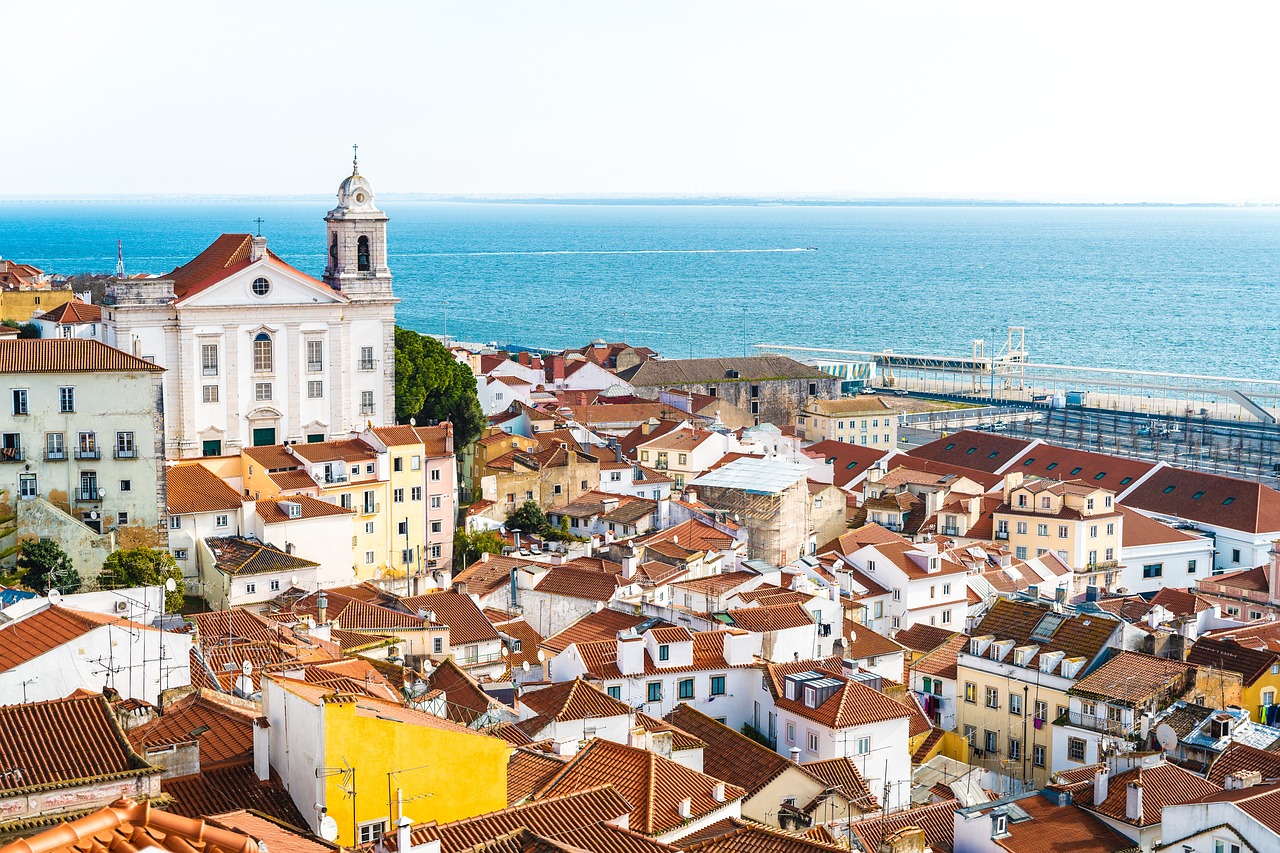
In 2023, La Fabrique de la Cité organized a study trip to the Portuguese capital to explore two key features: the city’s openness toward the river and the development of its port activities within a limited space.
Lisbon, Europe’s smallest capital, is often cited as a model for urban renewal, as the current municipal government is reevaluating developments from the 1980s and 1990s that are now considered to have been rushed. Other analyses examine the impacts of tourism and economic revitalization on real estate prices and home ownership. Finally, recent studies highlight significant improvements in transportation and traffic relief, which should now be expanded citywide.
This portrait of the city aims to offer a different perspective on the Portuguese capital and, in doing so, to consider it in relation to the Tagus estuary, a topic still too rarely addressed in studies of the city. At the river’s mouth, and at the gateway to the Atlantic and the Mediterranean, Lisbon is now developing into a metropolis spanning both banks of the river. Whether it be the quays along the Tagus, which host several flagship buildings and recently established activities; the port and its necessary economic renewal; or the involvement of outlying municipalities, the Tagus estuary is now an essential scale for the city’s development. Commercial and industrial spaces, public spaces reclaimed for residents, walkers, and visitors: how does the city make diverse use of the river’s presence? How have the areas along the Tagus been renovated, taking into account the diversity of expectations? What types of uses have emerged? We will also seek to understand the role of this Lisbon port, which is both riverine and maritime. How does it fit into the international competition, at a time when the decarbonization of transport and logistics is becoming a major challenge? What connections does it maintain with the city?
As Portugal joined the European Union in 1986 and strengthened its international standing, the capital was then marked by a severe crisis and poorly managed urban development. Land-use policies struggled to bear fruit during the 2000s, before the 2010s proved painful once again for the city, which was losing residents. Port and river-based economic activity was also hit hard by the crisis, revealing numerous abandoned brownfield sites along the waterfront.
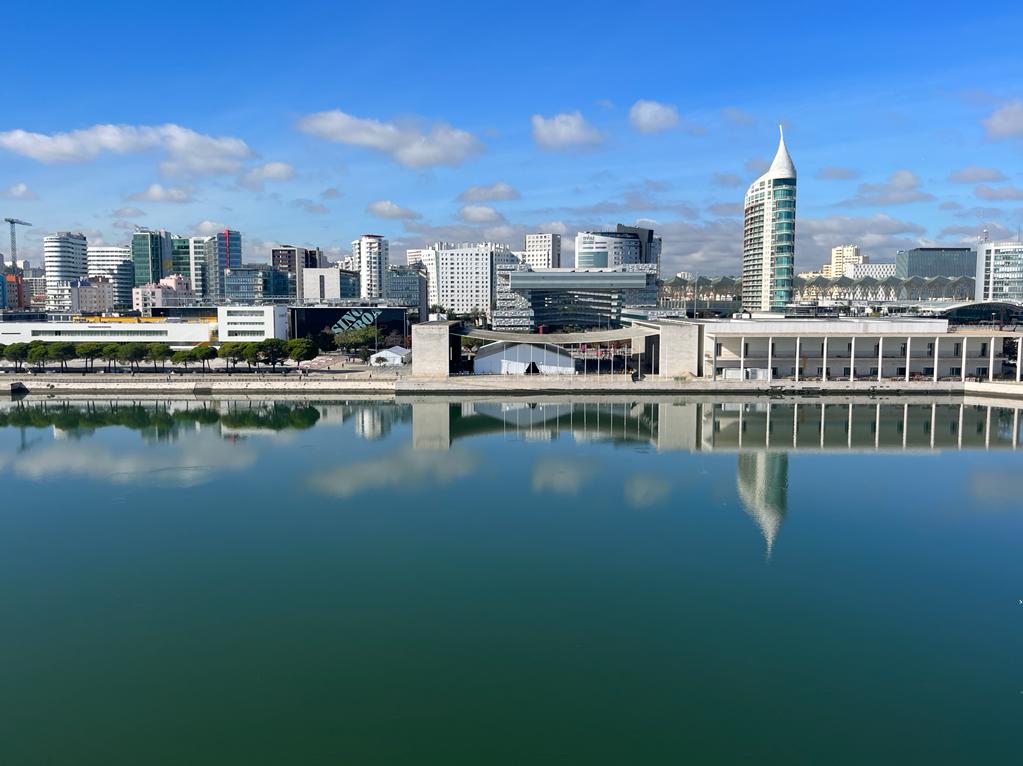
Since the 1990s, the revitalization of the city center has been a key priority, driven by rapidly growing tourism. However, the city has not overlooked its port or the river in its urban planning efforts. The banks of the Tagus have been opened up to pedestrians and recreational activities since the 2000s. The Parque das Nações, built on the river for the last World’s Fair of the 20th century, serves as a prime example. Following several successive renovations—some of which have created now-iconic buildings, such as the Arsenal Quay, the former boat station, or the Electricity Museum—entire neighborhoods have embraced the waterfront. The LX Factory district, where the former textile mill has now been converted into a cultural hub, is a perfect example. Finally, the issue of continuity between the two banks of the river seems to be on hold today, even though the expansion of the metropolitan area could be an asset for Europe’s smallest capital (100 km²).
Today, international port competition disadvantages ports unable to accommodate massive cargo ships several times a day. Despite traffic that is far more limited than that of major international ports (especially in Asia), the Port of Lisbon can also rely on strong tourism and excellent visitor numbers. At least two challenges will shape port development in the coming years. On the one hand, the redevelopment of industrial or port brownfields, which emerged at the turn of the 21st century, and their integration into current ambitious land-use policies. On the other hand, ensuring a sustainable economy for this port system in a city highly sought after by tourists.