
Should urban environments now be considered hostile to human life during certain periods of summer? Driven by climate change, heatwaves have intensified in recent years and are now firmly embedded in our reality. A recent study published in July by the European Earth Observation Programme Copernicus reported a global increase in the frequency of heatwaves since the 1970s. Over the past fifty years, occurrences of extreme heat have reportedly risen by 138% across Europe, while the duration of the hot season has lengthened1. In France, the average has increased from three heatwave days per year in the 1980s to twelve days per year in the 2010s2, a fourfold increase over the span of three decades. Temperature records are being broken across the globe at ever shorter intervals and increasingly earlier in the year3.
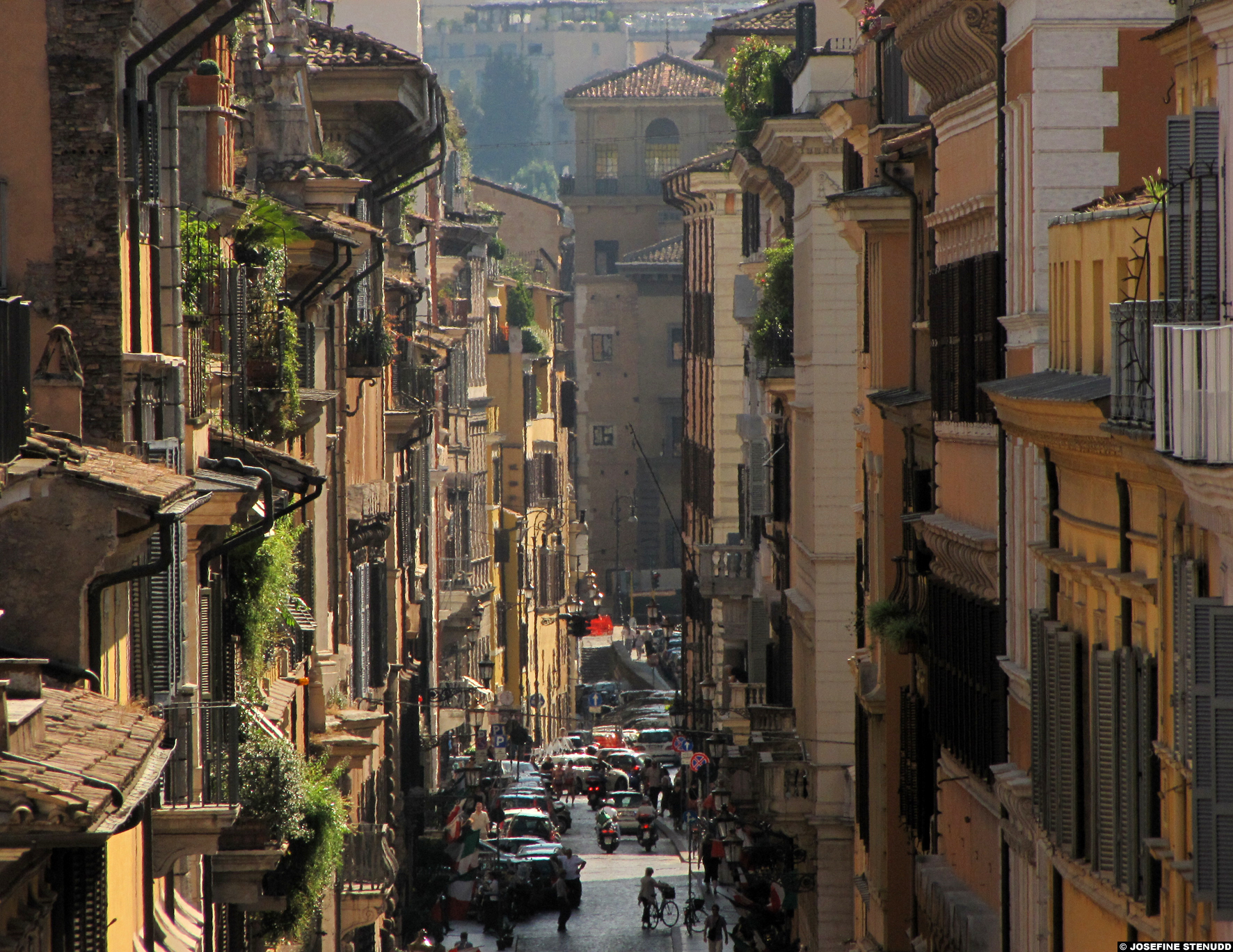
Cities, in particular, are bearing the brunt of rising temperatures. The way we live and move within urban environments is at fault. The centrality given to cars in townsplanning, alongside the widespread sealing of land that has accompanied it, has contributed to the urban heat island effect. From Rome to New Delhi and New Orleans4, urban landscapes are ladden with mineral surfaces which absorb and retain heat.
As summer temperatures become increasingly difficult to cope with, heatwaves are calling the livability of our cities into question. Triggering cascading crises, heatwaves test the resilience of urban, economic and social infrastructures. What risks do they pose to individuals and societies evolving in urban environments that were not designed to withstand them? What responses can be implemented? A brief overview.
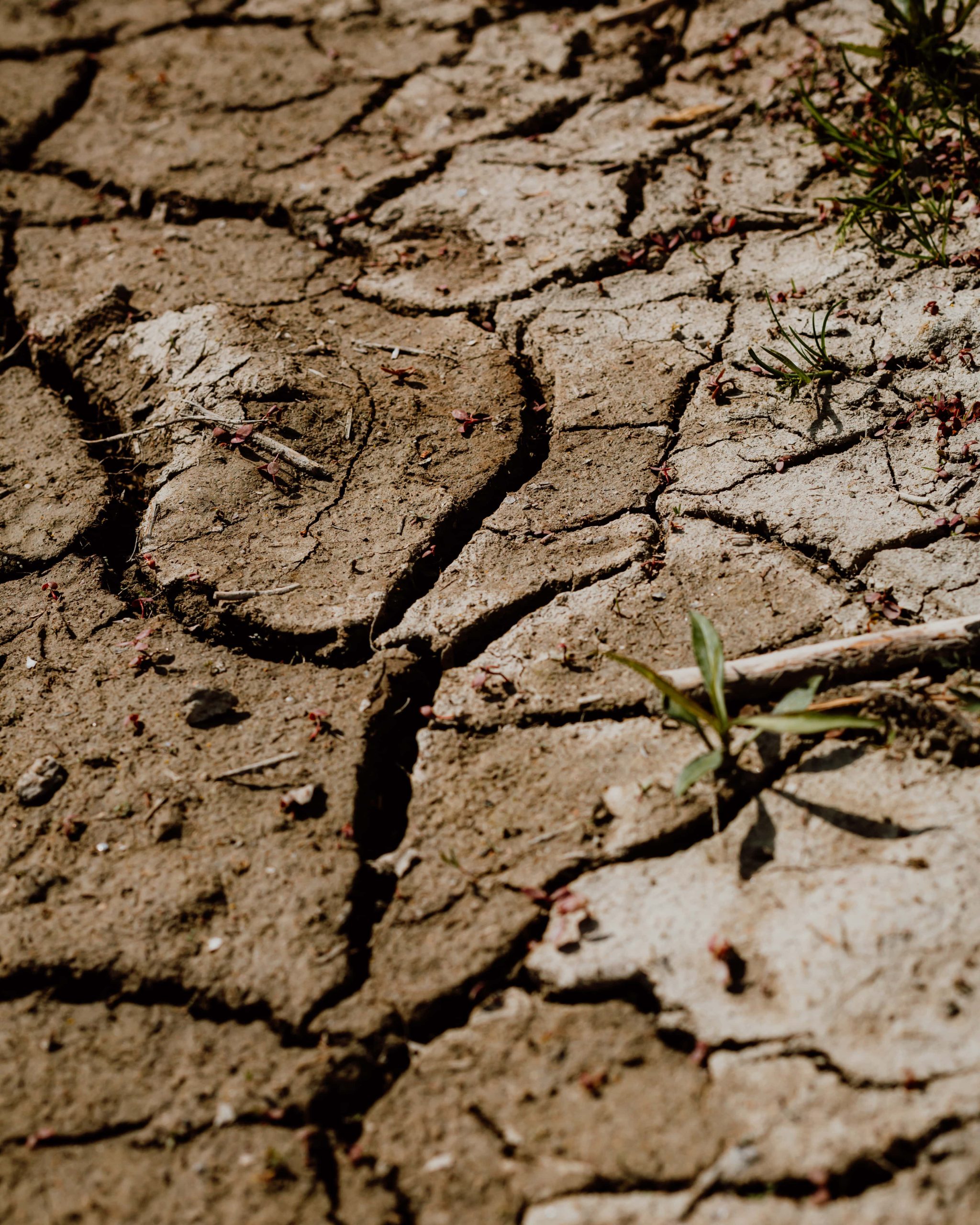
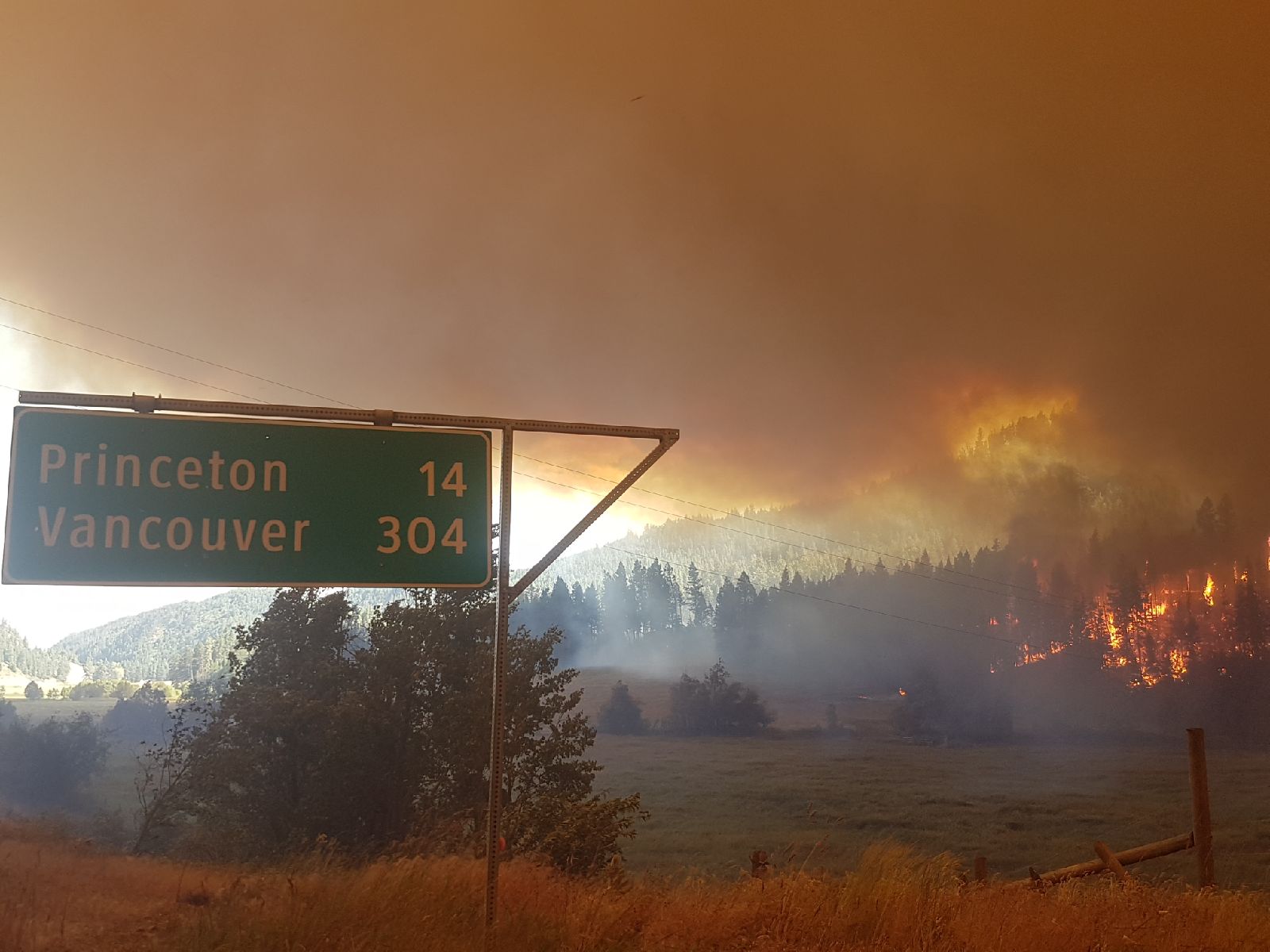
Heatwaves contribute to drought conditions, and together these phenomena further exacerbate wildfire risk. From this perspective, this year’s summer proved to be an exceptionally severe wildfire season in France, Spain, the United Kingdom, and Canada5.
Drought and heatwaves also affect river systems. As one of Europe’s major commercial arteries, the Rhine experienced significant disruptions to inland shipping due to historically low water levels6. Meanwhile, the drying of the Danube triggered a major energy crisis in Romania and Hungary, where nuclear power plants were forced to suspend all or part of their operations because of water shortages7.
The growing prevalence of drought complicates the energy transition and raises questions about the future of industry. In Germany, for example, the chronic drought conditions affecting Berlin since 2018 have been intensified by successive heatwaves and the development of new industrial facilities8. Agriculture has not been spared either. In Italy, major farmers’ unions estimated this year’s heatwave-related losses at between €1.5 billion and €3 billion9. The economic vulnerability currently facing the sector could, in a few years, devolve into a serious threat to food security in several countries.
More broadly, the combination of heatwaves and drought calls existing patterns of resource use into question. In a context of scarcity, how should water consumption be allocated in cities in the future? Which needs should be prioritized during heatwaves and how can such choices be justified? Extreme temperatures require policymakers to consider compensation mechanisms for those disadvantaged by these decisions.
The consequences of the drought-heat nexus pose several challenges. Wildfires require enormous sums for reconstruction. At the end of August, France Assureurs estimated the cost of fire damage in the Gironde region at nearly €500 million10. Across the Atlantic, Canada has experienced huge wildfires every year over the past five years, a worrying trend with considerable economic repercussions. British Columbia, one of the provinces most severely affected, has recorded annual losses amounting to several hundred million Canadian dollars: $718.8 million in 2021, $769.4 million in 2024, and as much as $1.095 billion in 2023 (approximately €680 million)11. The evacuation of cities and industrial sites in response to wildfires also disrupts economic activity. In 2023, 74% of the economy of Canada’s Northwest Territories was affected by wildfires12.
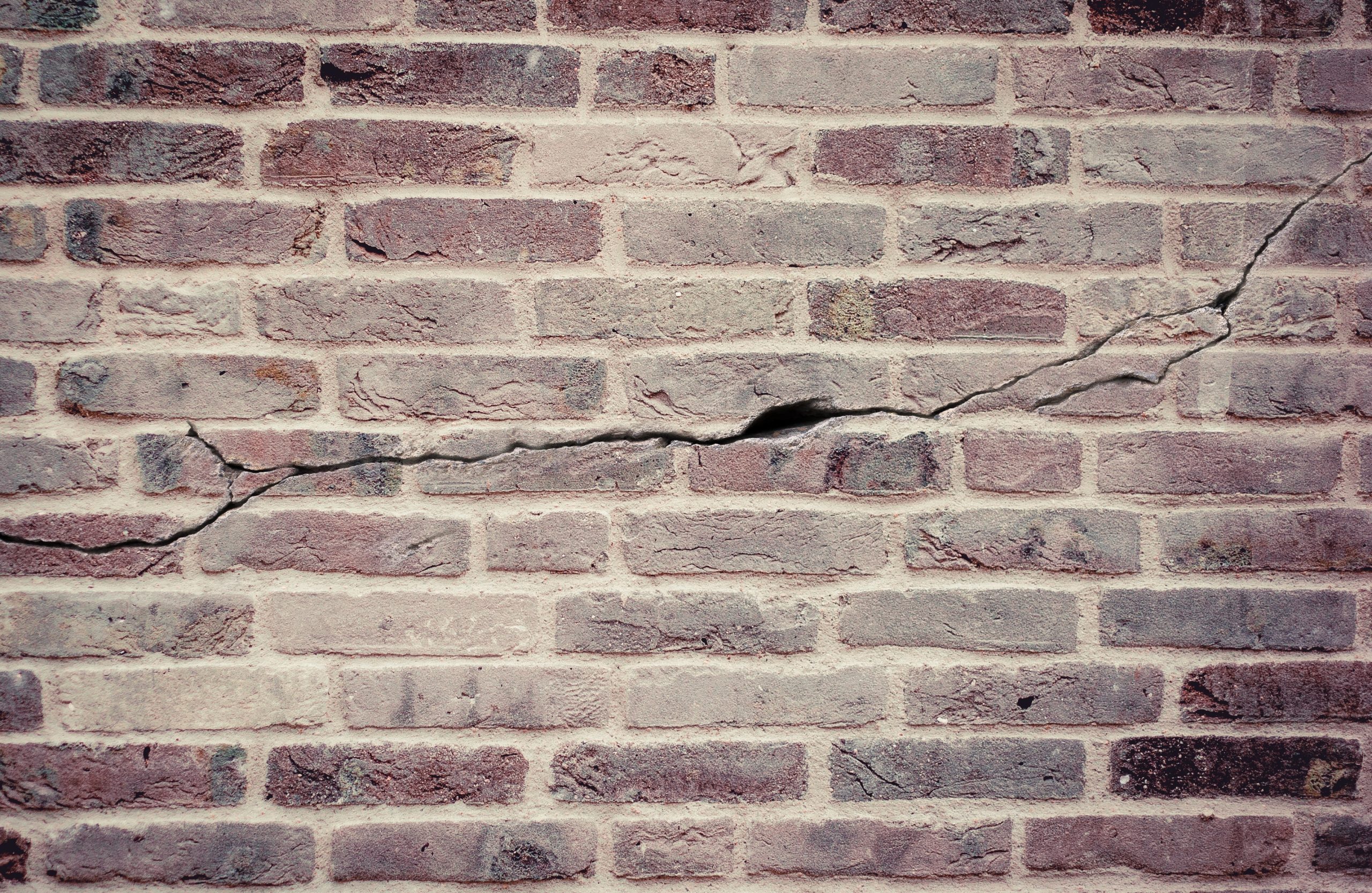
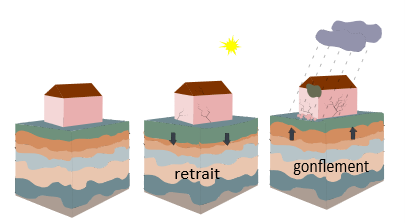
Industrial shutdowns, damaged infrastructure, and business interruptions are increasingly becoming a major concern for the insurance sector, which is gradually being confronted with the growing frequency of heatwaves and related risks. Beyond wildfires, drought poses a significant insurance challenge for residential properties through the worsening of the shrink-swell phenomenon caused by extreme heat. In London, insurance claims related to this issue have increased by 90% over the past five years. This trend intensified again during the summer, particularly among some of the capital’s oldest homes, many of which form part of its architectural heritage13.
Declining worker productivity, construction projects brought to a standstill, and disrupted economic activity highlight the direct threat heatwaves pose to modern economies. Extreme heat can paralyze transport networks. Metal expands as temperatures rise, causing railway tracks to buckle and resulting in major service disruptions. Likewise, movable bridges, large structures made of concrete and steel, can suddenly become unable to raise or lower their spans, as occurred with New York City‘s Third Avenue Bridge in 202414. High temperatures also lead to sagging power lines and system failures15. In Budapest, for example, OECD research found that bus cooling systems ceased functioning once temperatures exceeded 35°C16. The Eno Center for Transportation has further reported that extreme heat lowers air pressure, making aircraft take-offs more difficult and, in some cases, impossible. As a result, delays and cancellations increase, generating substantial compensation costs17.
The economic repercussions of heatwaves amount to billions. In August, the think tank Verdant estimated that the United Kingdom would incur losses of £4.4 billion (approximately €5.1 billion) during the summer of 2026 alone18. Germany, for its part, estimated its losses at €36 billion19.
At the individual level, the human body is also impacted, and far more immediately. Heatwaves cause both physical and psychological distress as a result of prolonged exposure to extreme temperatures. They disrupt sleep, one of the body’s most essential functions. According to a recent report by Climate Central, people lose an average of 56 hours of sleep every year, equivalent to roughly one week of rest, due to high temperatures. Approximately 11% of this loss is directly due to climate change. This global average, however, masks significant regional disparities: the Arabian Peninsula and Southeast Asia, which are particularly vulnerable to tropical nights, could lose up to 87 and 91 hours of sleep respectively, or about eleven nights per year20.
Heat therefore places considerable strain on human health and can even result in premature deaths, particularly among the most vulnerable populations. Victims often die at home. This highlights shortcomings in access to cooling facilities, as well as inadequate adaptation of housing and urban environments to extreme heat.
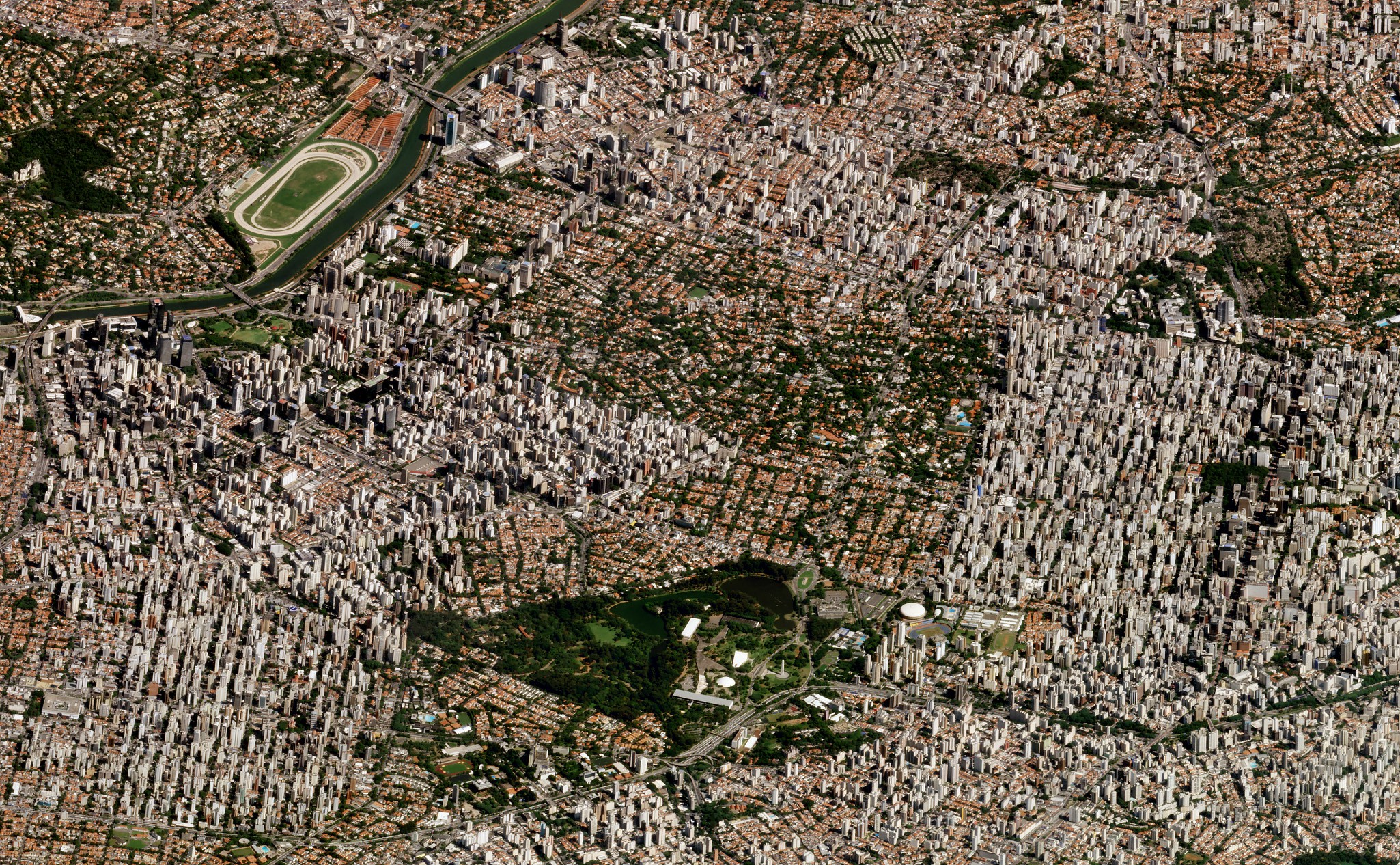
These inequalities are also reflected on a broader scale. Projections from the University of Chicago’s Climate Impact Lab illustrate the global imbalance in exposure to heat-related risks. Holding population size and climatic conditions constant, low-income countries could experience ten times more heatwave-related deaths than high-income countries by 2050. The ranking of the five most affected countries supports this finding: Burkina Faso, Pakistan, Niger, Algeria, and Sudan. A similar pattern emerges at the city level: Faisalabad, Pakistan, for instance could record eighteen times more heat-related deaths than Madrid within the next two decades21. Even within individual cities, inequalities are striking. In São Paolo, Brazil, temperature differences of up to ten degrees Celsius can be observed between affluent and disadvantaged neighborhoods22.
In response to these challenges, a wide range of solutions is being experimented with around the world. Some are designed to provide immediate relief from heat, focusing on individuals and short-term needs by offering temporary respite. While effective in addressing urgent situations, they are not always sustainable, either over time or in terms of environmental impact. Other solutions fall within the realm of adaptation and therefore require medium- to long-term planning. Although they do not provide immediate results, they involve investments that can contribute to long-lasting urban comfort and resilience. These approaches are not mutually exclusive; as is often the case, the most effective strategy relies on a combination of measures that will comprehensively address the needs.
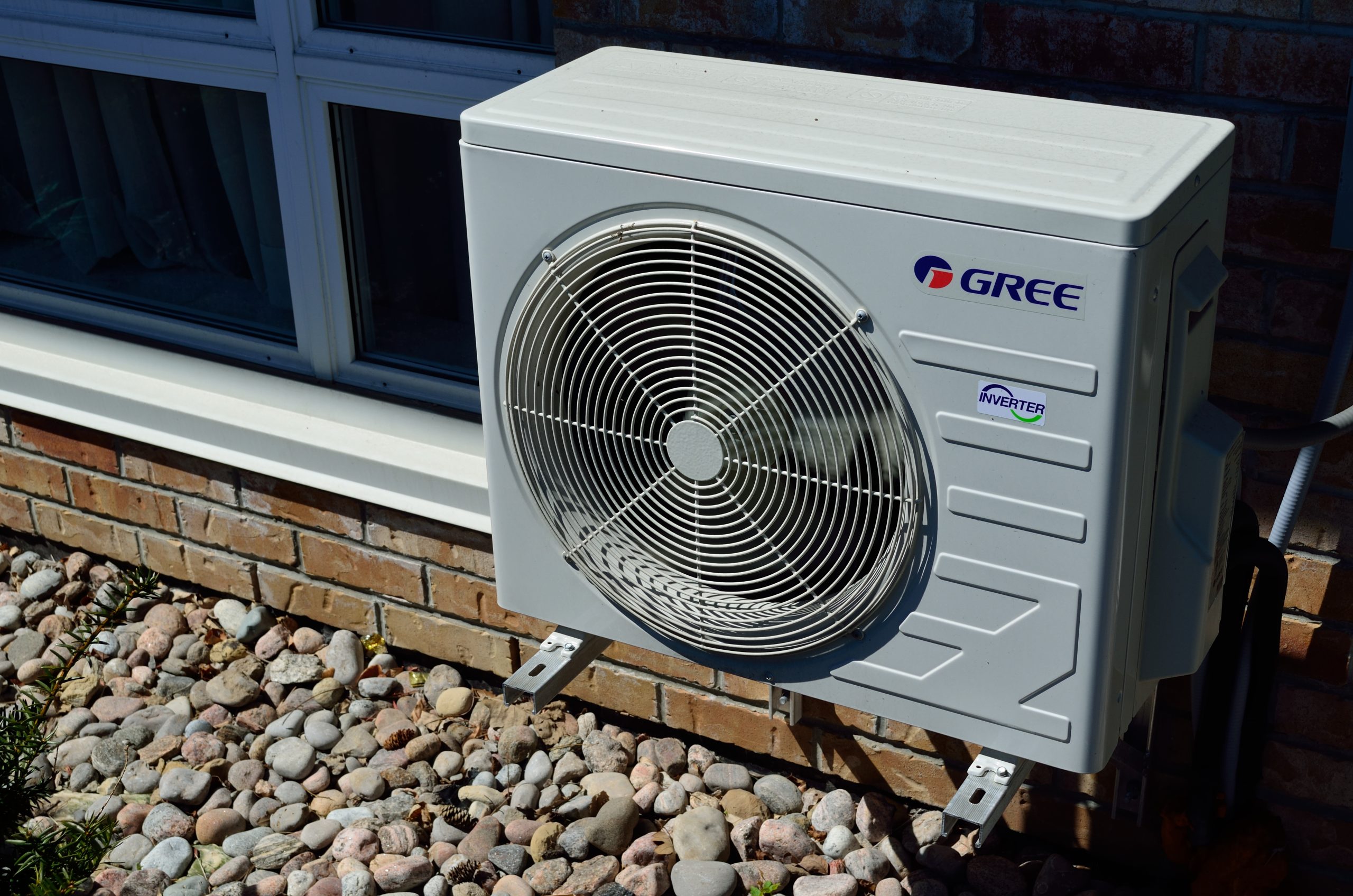
Air conditioning remains indispensable for rapid cooling and constitutes the preferred solution across North America. Following the deadly heatwaves of 2021, British Columbia, Canada, launched a program distributing air-conditioning units free of charge23. In Phoenix, Arizona, the city introduced a repair-and-replacement program to help residents maintain access to cooling24.
The United States has been a pioneer in establishing networks of cooling refuges. The first cooling centers were created in 1995 following a severe heatwave in Chicago25. Libraries, shopping centres, municipal swimming pools, restaurants and other air-conditioned facilities opened their doors to provide temporary relief from the heat. These cooling centres have gradually spread across the country, from Phoenix to New Orleans, and are now increasingly adopted abroad. Barcelona (2018), Buenos Aires (2023), and Santiago de Chile (2024) have all progressively developed officially designated cooling refuges26. More recently, Portugal, through its Climate Refuges | Stay Cool initiative led by the Ministry of Tourism27, London, through the citizen-developed Stay Cool application28, and Paris, with its publicly accessible map of cooling islands and water points, have joined the movement.
Other countries have opted for more targeted solutions. In July, a Japanese company attracted attention after unveiling the world’s first “human refrigerator”, designed specifically for workers exposed to extreme heat. The energy-efficient device promises rapid heat recovery for its users29.
In India, the city of Jodhpur has installed a shelter for pedestrians and outdoor workers. Carbon-neutral and free of air conditioning, the structure maintains an indoor temperature up to 8°C cooler than the outside environment thanks to insulating materials, traditional cooling techniques and solar-powered ventilation30.
This second category of solutions focuses on the urban environment and requires long-term thinking that challenges traditional modes of governance. Changes are already visible, reflecting the growing importance of extreme heat events on municipal policy agendas. In 2021, Phoenix created a municipal department dedicated exclusively to heat management, headed by a chief heat officer31. In India, heatwaves are now officially classified as natural disasters. The country has also adopted a Heat Action Plan32, a practice that is becoming increasingly common elsewhere, including in the United Kingdom through Heat Ready London (June 2026)33 and in Italy through the Piano Caldo initiative (July 2026)34. Public authorities are also investing in research programmes. Singapore, for example, has launched initiatives such as Adapting to Heat Impacts and Cooling Singapore35. Existing regulations are also being revised. Following the devastating heatwaves of 2021, Canada updated its National Building Code to require that all new homes include at least one room capable of maintaining temperatures below 28°C36 .
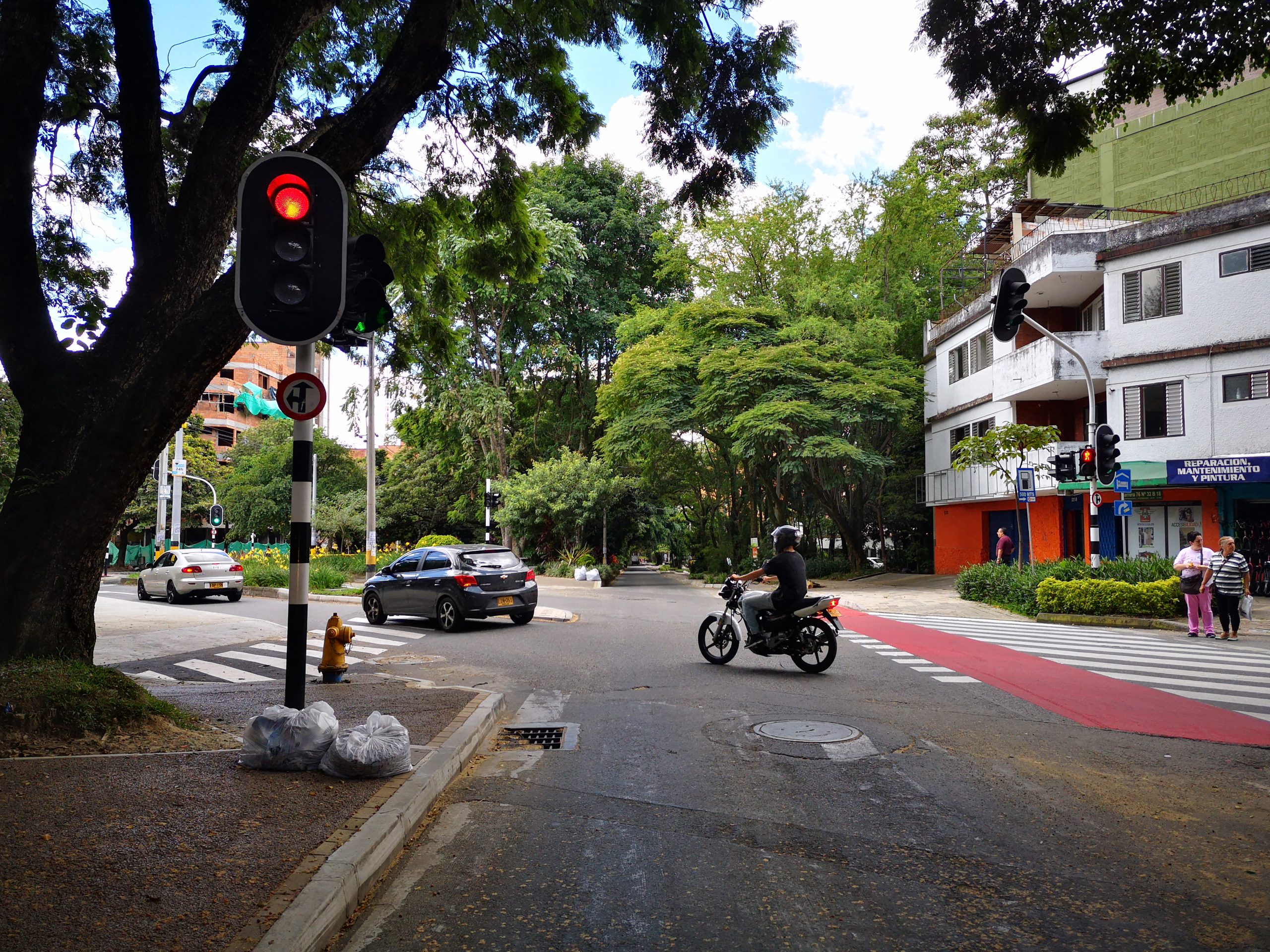
Among urban adaptation measures, urban greening ranks high on the list of solutions. The shade provided by trees and the evapotranspiration process significantly reduce ambient temperatures during the summer months37. Cities in several countries are investing heavily in expanding green infrastructure. In Rome, the Piano Caldo allocates €50 million to the development of green spaces. In India, the Nagar Van Yojana programme (2020) earmarked US$94 million for the creation of urban forests nationwide38. Meanwhile, Berlin aims to transform itself into a “sponge city” through the widespread deployment of green roofs and extensive tree planting. In Colombia, the “green corridors” of Medellín, originally designed to mitigate the deadly effects of air pollution, have also contributed to lowering urban temperatures. These interconnected green corridors link the city’s green spaces and have generated a perceived temperature reduction of approximately 2 to 3°C compared with surrounding urban areas.
It is important to bear in mind, however, that urban greening is not a silver bullet. Maintaining green spaces represents a significant expenditure for municipalities. Medellín, for instance, spends approximately US$200 million every month on watering, pruning, and treating its vegetation. Such costs are now limiting the future expansion of the city’s green infrastructure, as local authorities are no longer able to absorb additional expenses in this area39.
Moreover, urban greening is not an equally effective cooling strategy in all climates. At the end of 2024, a group of researchers from several universities (Zurich, Oklahoma and Cambridge) warned against the tendency to view greening as a one-size-fits-all solution. Trees do contribute to urban cooling, but primarily in cities with dry climates. In humid climates, by contrast, trees can exacerbate nighttime urban warming (+0.8°C) by trapping heat and preventing its dissipation, while providing only marginal cooling benefits during the day (-2°C). The city of Chennai, India, for example, would reportedly suffer more than it would benefit from a large-scale greening initiative. Even in temperate climates, trees can increase nighttime temperatures by approximately 1.5°C. Nonetheless, they remain an attractive option because they can reduce daytime temperatures by as much as 6°C. Researchers also emphasize the importance of carefully selecting both tree species and planting locations. Ideally, urban greening strategies should take into account the surrounding urban morphology, including street orientation, sky-view factor and building-to-street ratios, in order to maximize cooling benefits40.
A number of other urban cooling techniques have emerged in recent years, including heat-reflective road pavements in Phoenix41 and cool roofs, which are mandatory for new residential developments in Sydney42. London is considering a programme to insulate homes most vulnerable to heat and to guarantee public access to blue spaces where residents can cool off by swimming43.
Within this framework, water is becoming a central component of heatwave adaptation strategies, prompting new reflections on its role and integration within urban environments. For several years, Seville has been developing urban cooling laboratories based on district cooling networks, notably through projects such as Cartuja Qanat and LIFE Watercool44. On a larger scale, the Marina Bay financial district in Singapore is served by an extensive underground district cooling network that consumes far less energy than conventional air conditioning45. In Egypt, the city of New Alamein is planning to cool public spaces using a district cooling system powered by water drawn from the Mediterranean Sea46.
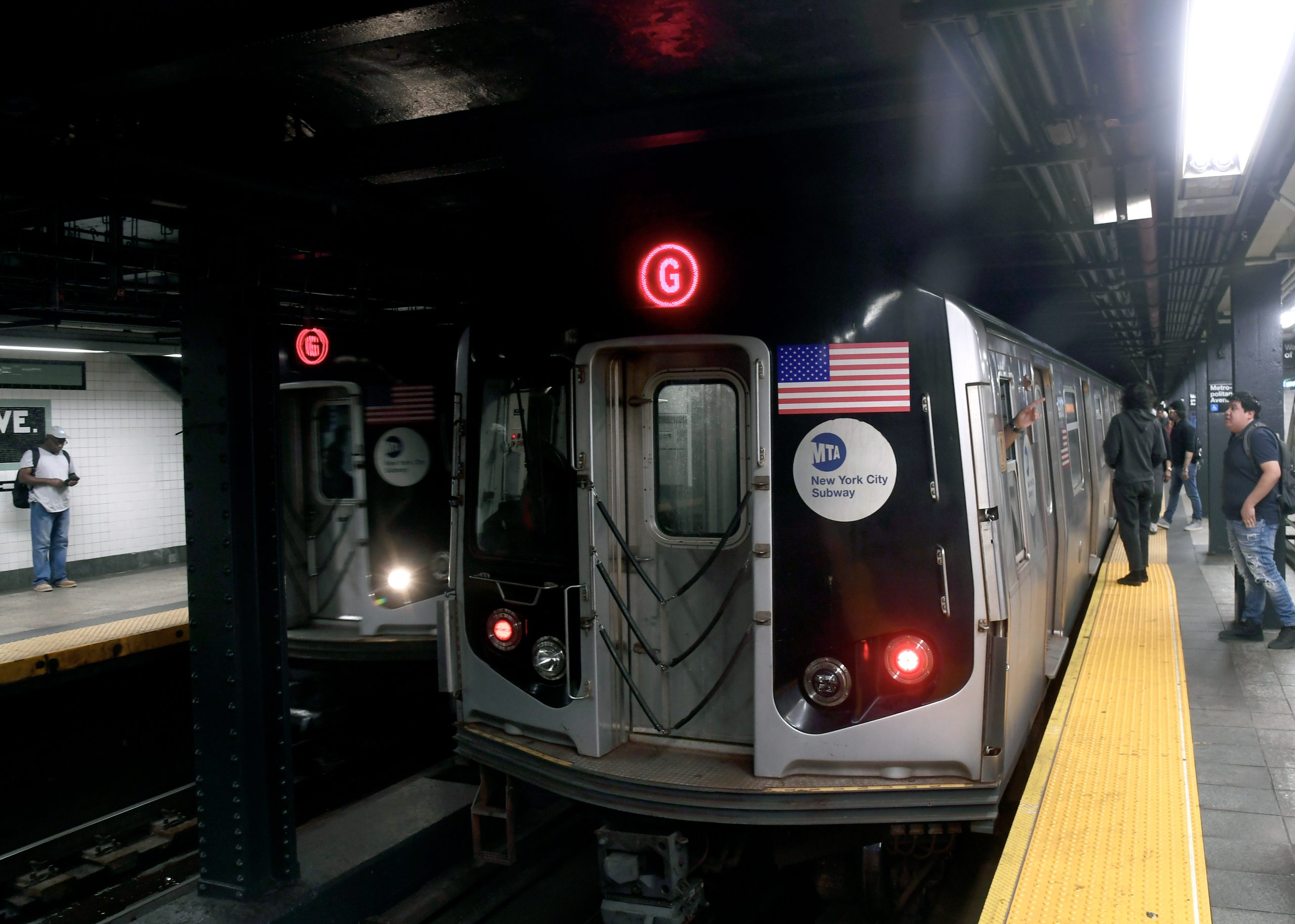
These systems are particularly valuable for overcoming the limitations of traditional air conditioning in certain environments. In New York, for example, the subway network is ill-suited to conventional cooling systems because of its large number of entrances and exits, which would render them inefficient. To address this challenge, Mayor Z. Mamdani launched a feasibility study in August for an underground air-exchange system that would capture and store heat generated by the subway in a network of pipes connected to nearby municipal buildings. Once operational, the system would cool the subway during the summer while providing heat to public buildings during the winter47.
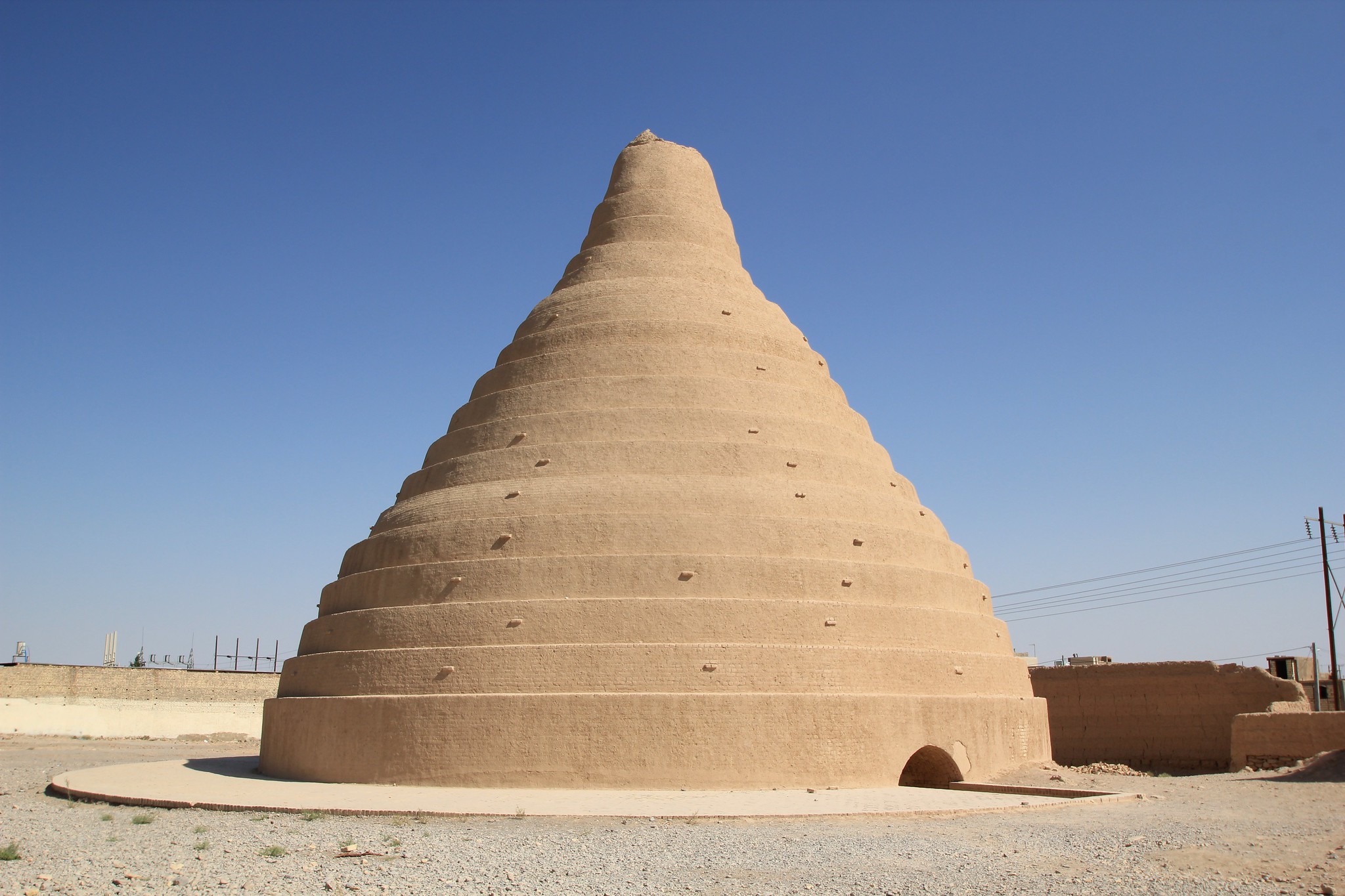
The use of qanats in Seville, a traditional Persian water collection and irrigation system48, for urban cooling reflects a broader resurgence of interest in vernacular architecture and traditional heat-adaptation techniques. Iran proves to be a particularly interesting laboratory in this regard. Windcatchers (badgirs), showadans49, khishkhans50, and yakhchals51 illustrate the diversity of traditional cooling methods currently being revisited in several countries. In the United Kingdom, approximately 7,000 windcatcher-inspired systems were installed in public buildings between 1979 and 1994. In the United States, the Zion National Park Visitor Centre (Utah) also incorporates this architectural feature, helping to maintain indoor temperatures up to 16°C lower than outside temperatures52.

The renewed interest in these techniques stems from their proven effectiveness. A study conducted in 2022 in Sharjah, United Arab Emirates, found that the historic district of Al-Marijah, built in the early 19th century, delivered better thermal performance than the modern district of Sharqan thanks to traditional passive-cooling techniques53. Whereas Sharqan follows a grid-based urban layout composed of large blocks separated by wide avenues, Al-Marijah features winding streets lined with buildings no taller than twelve metres, constructed from locally sourced natural materials and organized around internal courtyards. Together, these design features improve shading and air quality, allowing 35% of the district to remain below 40°C in August, compared with only 15% in Sharqan.
Other countries are also exploring traditional solutions. In Egypt, architects have been studying vernacular cooling techniques for more than four decades. Their work includes research into the thermal comfort provided by earthen construction as well as the cooling effects of salsabils54 decorative water features designed to enhance evaporative cooling. In 2026, a team of Egyptian researchers conducted an experiment to assess the urban cooling potential of clay and reed, two widely available local resources. Thanks to their insulating properties and high porosity, these materials help regulate heat and dissipate it during the night. This affordable, low-tech insulation technique can maintain indoor temperatures up to 5°C cooler than outdoor conditions. The study highlights the effectiveness of passive cooling solutions which, when combined, provide greater cooling benefits than isolated interventions and offer a low-carbon alternative to conventional air conditioning55.
Most cities around the world are currently characterized by urban forms that promote heat retention. As global temperatures continue to rise, this heat is becoming increasingly difficult to tolerate in urban environments and is generating serious consequences for agriculture, public health, and economic activity. In response, governance frameworks are gradually evolving, and a range of adaptation measures are being deployed: air conditioning, urban greening, district cooling networks, and a renewed interest in vernacular architecture. Together, these approaches represent promising avenues for strengthening the resilience of urban infrastructure in an increasingly hotter world.
I. Barraud-Serfaty, Sharing shade in tomorrow’s cities, La Fabrique de la Cité, November 2025.
L. Morand, 2014-2024: Feedback on the Chinese sponge city program, La Fabrique de la Cité, October 2024.
55 résultats
R. Emerton, J. Nicolas, A. Lombardi, et al. “Global heat stress intensification and its expanding footprint on the human population.” Nature Climate Change, 2026, vol. 16, pp. 989–996. Pages 991-992.
L. Fel, « La ville perméable : une solution tombée du ciel ? », La Fabrique de la Cité, 2024. Page 8.
In India, record temperatures reached 48.2°C on May 27th, 2026. In Phoenix, United States, the weather forecast reported 38°C on March 18th, 2026
The issue is prevalent in New Orleans, ranked among the 5 hottest cities of the United States. 70% of its surface suffers from the urban heat island effect. In New Delhi, India, the proportion is even higher : 76% of the city is comprised in a heat island.
M. Matza. “Canada wildfires leave train encased in flames as smoke drifts towards US” BBC, July 15th, 2026.
L. Gozzi. “Rhine falls to record low levels as drought strains Europe’s rivers”, BBC, August 3rd, 2026.
J. Lukiv. “Romania shuts only nuclear plant as heat causes drop in Danube River level”, BBC, August 13th, 2026.
T. Schnee & N. de Bellaigue. « Devenir une ‘ville éponge’ : la solution de Berlin face à la sécheresse. » Reporterre, July 15th, 2026.
O. Tosseri. « La sécheresse fait vaciller l’agriculture italienne. » Les Echos, August 14th, 2026.
CatNat. « Le coût des incendies estivaux en France évalués à 500 millions d’€ par les assureurs. » August 30th, 2026.
Government of British Columbia. “Wildfire Averages”, February 3rd, 2026.
Government of Canada. “Measuring the economic cost of wildfires”, August 6th, 2025.
G. Naik. « Londoners find ‘horrendous’ cracks in their homes after successive heat waves » Bloomberg, August 23rd, 2026.
S.P. Ham. “Stuck bridges, buckling roads – extreme heat is wreaking havoc on America’s aging infrastructure.” The Conversation, August 5th, 2024.
G. Truslow. “Extreme heat presents risks for transportation infrastructure.” Eno Center for Transportation, August 24th, 2026.
OECD. “Heatwaves becoming a major threat to public transport, new ITF factsheet warns.” July 2026.
G. Truslow. “Extreme heat presents risks for transportation infrastructure.” Eno Center for Transportation, August 24th, 2026.
H. Stewart. “UK heatwaves may have cost economy £4.4 billion in lost output so far this year, analysis finds” The Guardian, August 12th, 2026.
M. Paul. “Extreme summer of 2026 has cost Germany at least 36 billion euros, says Greenpeace.” Down to Earth, August 26th, 2026.
Climate Central. “Climate change is costing people sleep.” July 2026.
E. Grover-Kopec, T. Carleton, M. Greenstone. “Adaptation Roadmap : Human Health”, Climate Impact Lab, March 25th, 2026.
M. Drozdz, Q. Leeds, M. Moaty & H. Leeds. La ville. Une infographie. CNRS Editions, Paris, 2026, 111 pages. Pages 28-29.
W. Burr. « Les leçons du dôme de chaleur sur la côte Ouest, cinq ans plus tard », Radio Canada, June 26th, 2026.
A. Faguy. “What this desert city can teach the world about tackling heat deaths.” BBC, July 17th, 2026.
E. Gardies & M. Baléo, « Transformer l’espace public pour créer des îlots de fraîcheur urbains », La Fabrique de la Cité, 2025. Page 6.
Ibid.
V. Barros. « Le Portugal crée un réseau de refuges climatiques pour faire face aux canicules. » France Info, July 5th, 2026.
C. Baraniuk. “This 123-year old air-con system has lessons for managing today’s sweltering heat”, BBC, July 11th, 2026.
I. Chaudhary. “Japan’s Human Refrigerator is Built for Extreme Heat Recovery”, Parametric Architecture, August 3rd, 2026.
N. Kawrani. “How Jodhpur built an AC-free shelter that stays 8°C cooler during heatwaves”, The Better India, May 22nd, 2026.
A. Faguy. “What this desert city can teach the world about tackling heat deaths.” BBC, July 17th, 2026.
H. Ellis-Petersen & A. Hassan. “The heat took him from me: India’s death toll rises amid escalating heat crisis”, The Guardian, July 29th, 2026.
City of London. “Heat Ready London – London’s first ever heat plan”, June 25th, 2026.
O. Bonnel. « Rome, accablée par de fortes chaleurs, regrette les grands arbres coupés ces dernières années et le manque de végétalisation. » Le Monde, July 15th, 2026.
J-S. Ferjou, « Climatisation du futur : les secrets du modèle singapourien pour rafraîchir nos villes », Atlantico, June 24th, 2026.
W. Burr. « Les leçons du dôme de chaleur sur la côte Ouest, cinq ans plus tard », Radio Canada, June 26th, 2026.
L. Fel, « La ville perméable : une solution tombée du ciel ? », La Fabrique de la Cité, 2024. Page 9.
D. Govindarajulu. « En Inde, les forêts urbaines peuvent contribuer à rafraîchir les villes si les urbanistes comprennent les vrais besoins de la nature et des habitants », Atlantico, January 17th, 2026.
E. Echaroux. « Adaptation : comment des ‘couloirs verts’ anti-pollution ont refroidi Medellin. » Usbek & Rica, August 28th, 2025.
Li, H., Zhao, Y., Wang, C. et al. “Cooling efficacy of trees across cities is determined by background climate, urban morphology, and tree trait.” Commun Earth Environ 5, 754 (2024).
City of Phoenix. « Cool pavement program.”
Gouvernement de New South Wales. “Delivering cool materials through planning controls.” April 24th, 2025.
City of London. “Heat Ready London – London’s first ever heat plan”, June 25th, 2026.
Zabala Innovation. « Cartuja Qanat et LIFE Watercool, ou comment s’adapter au réchauffement climatique. »
J-S. Ferjou, « Climatisation du futur : les secrets du modèle singapourien pour rafraîchir nos villes », Atlantico, June 24th, 2026.
H. Mohammed. “Egypt looks to the sea for the next frontier in urban cooling.” The Middle-East Observer, August 9th, 2026.
S. Chen. “The Subway Is Sweltering. Is There a Way to Put That Heat to Good Use?”, The New York Times, August 10th, 2026.
UNESCO. « The Persian Qanat ».
A room deliberately built 6 to 7 meters below ground to maintain acceptable temperatures. F. Soflaei & M. Shokouhian. “Natural cooling systems in sustainable traditional architecture of Iran.” 1st International Conference on Passive and Low Energy Cooling for the Built Environment, Santorini, 2005.
Roof element surrounded by tiles or natural materials, regularly watered to create a cooling draft. Ibid.
Refrigerating system. Ibid.
K. Shokoohi. “The ancient Persian way to keep cool”, BBC, August 11th, 2021.
M. Salameh & B. Touqan. “Traditional Passive Design Solutions as a Key Factor for Sustainable Modern Urban Designs in the Hot, Arid Climate of the United Arab Emirates.” Buildings. 2022, 12(11) : 1811.
Water features with inclined surfaces etched with raised patterns. These patterns increase the surface area in contact with the atmosphere, allowing for better cooling. « Refroidissement par évaporation des bâtiments : le salsabil », January 15th, 2025.
M. Dabaieh, M.M. Zacharia & M. Kazem. “Low-tech vernacular passive cooling retrofitting and adaptations solutions for climate comfort: a living lab experimental study in Egypt.” Built Heritage, 2026, Vol. 10, n°5.